English personal pronouns
This video is subtitled in English for better comprehension. The "Personal Pronouns" lesson is also subtitled with images (UPL system). Listening to native English-speaking teachers is essential for learning the language, and for beginners, visual aids can be particularly helpful in improving their English skills.
In each online lesson, you will become familiar with the sounds, rhythm, and intonation of the teacher. By listening to a native speaker and improving your pronunciation with them, you will develop more accurate pronunciation. This will help you master difficult sounds that don't exist in your native language.
Subject personal pronouns
Personal pronouns are words that replace a person's name.
For example:
(John is busy.)
I can replace (John) with a personal pronoun.
I can say:
(He is busy.)
The subject of a sentence is the person, place, thing, or idea that performs the action.
Example:
(She was late.)
(She) is the subject.
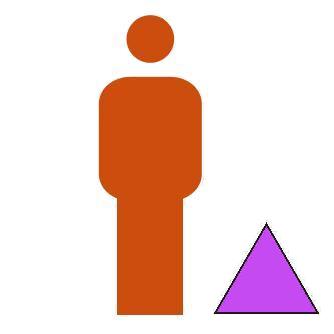
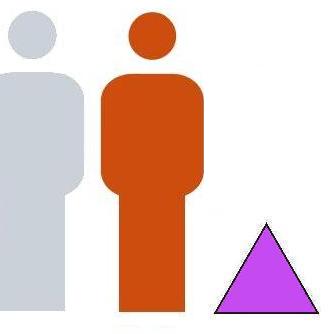
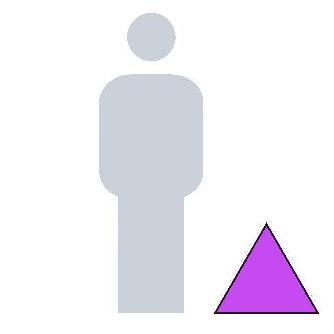
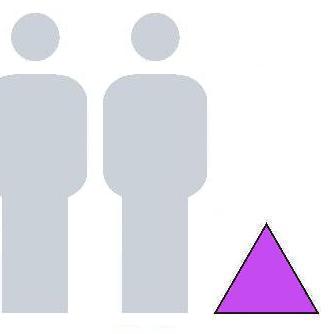
Personal pronouns that can be used as the subject of a sentence are:
 |
 |
||
| singular | plural | ||
 |
 |
||
| I | we | ||
 |
 |
||
| you | you | ||
 |
 |
 |
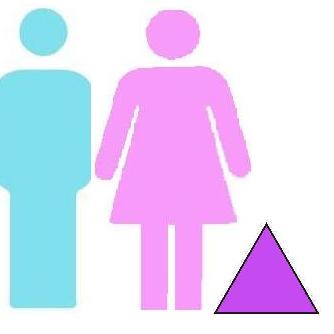 |
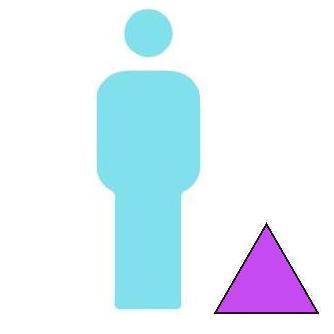
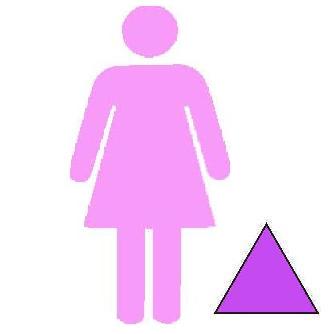
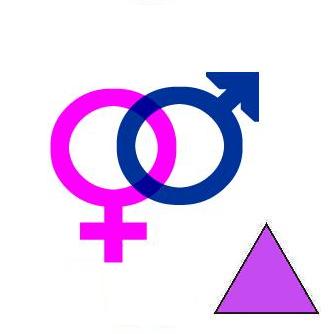
| he | she | it | they |
Object personal pronouns
Object complements are nouns or pronouns in a sentence that do not act directly but are acted upon by a verb.
Object pronouns are used to replace nouns or noun phrases; in English, they are placed after the verb.
(He loves Sophia.) => (He loves her.)
The noun (Sophia) is replaced by the object pronoun (her).
|
|
||
| singular | plural | ||
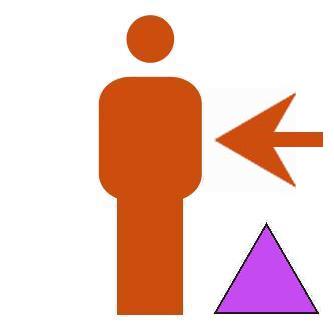 |
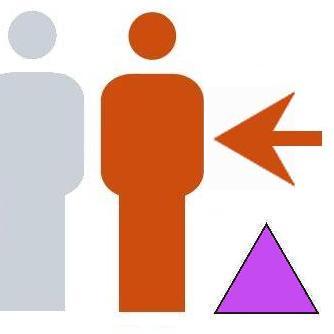 |
||
| me | us | ||
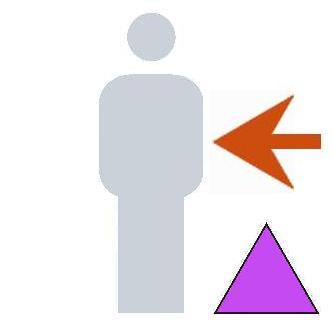 |
|
||
| you | you | ||
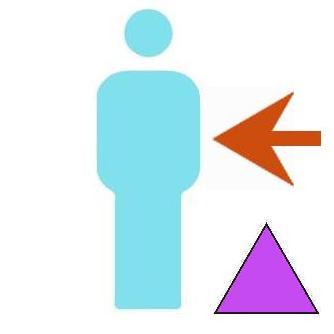 |
 |
 |
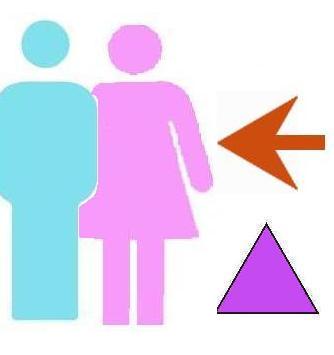 |
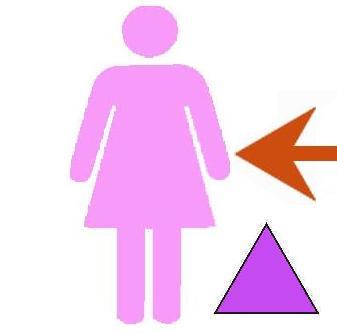
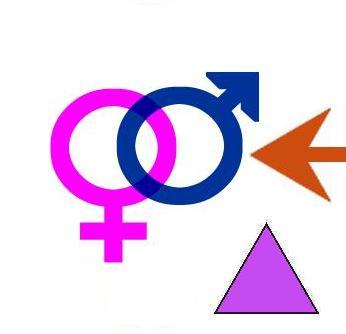
| him | her | it | them |
This exercise addresses three key learning objectives:
1. To ensure you have understood the lesson on "Personal Pronouns".
2. To introduce new vocabulary using visual aids.
3. To allow you to hear the correct pronunciation of the words.