Accusative personal pronouns in German
You already know some personal pronouns in the accusative case, thanks to the most famous sentence in the German language: "Ich liebe dich".
"Ich" is in the nominative case because this pronoun is the subject of the verb "to love".
"dich" is in the accusative case, the direct object.
Most German verbs take a direct object.
The direct object, which can be a person, an object, a place, an animal, etc., directly completes the verb by answering the question "What?" ("Was?") or "Who?" ("Wen?").
Examples:
I want to eat a cake. > What do I want to eat? A cake.
"A cake" is therefore the direct object. In German, it would be declined in the accusative case:
mich (me)
dich (you)
Ihm (him)
sie (her)
es (it)
uns (us)
euch (you)
sie (them)
Sie (you) (formal form)
Table of German personal pronouns in the accusative case. Click on the words or images to hear the pronunciation of each pronoun.
 |
 |
||
| Singular | Plural | ||
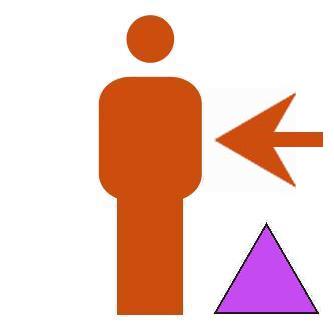 |
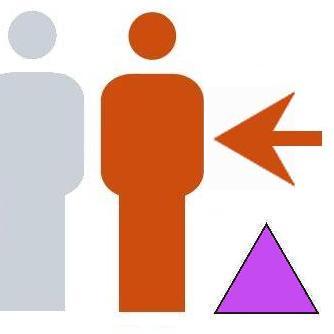 |
||
| mich | uns | ||
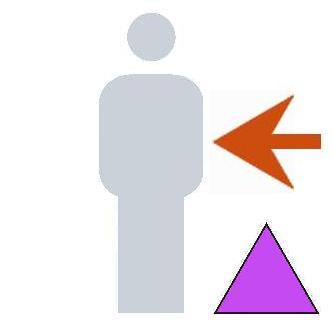 |
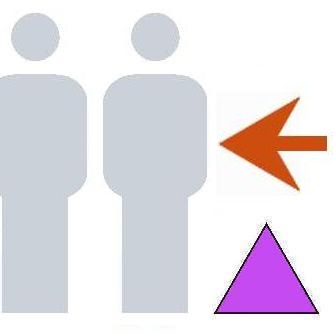 |
||
| dich | euch | ||
 |
 |
 |
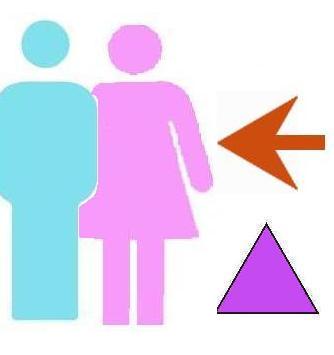 |
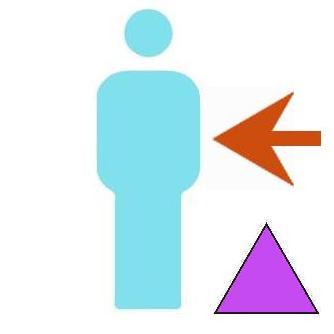
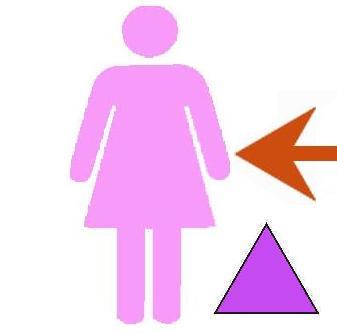
| ihn | sie | es | sie |
Personal pronouns are in the accusative case when they are the direct object of the sentence. This means they receive the direct action of the verb.
Verbs Followed by the Accusative Case
In German, the verb determines the case of the object. Therefore, there are certain verbs that must always be followed by the accusative case. These represent approximately 90% of all verbs. The remaining 10% are verbs that require a dative case or two objects. Verbs that require an accusative case include, for example:
Lesen (to read), schreiben (to write), trinken (to drink), essen (to eat), lernen (to learn), fragen (to ask), kaufen (to buy), suchen (to look for), finden (to find), hören (to listen), bezahlen (to pay), haben (to have).
 |
 |
 |
| lesen | schreiben | trinken |
 |
 |
 |
| essen | lernen | fragen |
 |
 |
 |
| kaufen | suchen | finden |
 |
 |
 |
| hören | bezahlen | haben |
There are also prepositions that require an accusative case, for example:
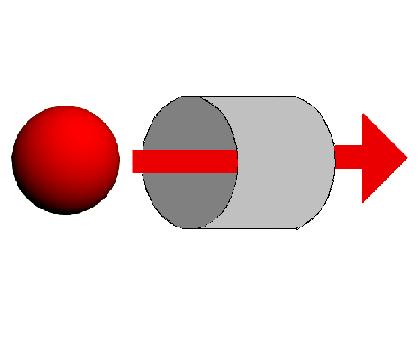
Durch (Through), entlang (along), gegen (against), um (of), für (for), ohne (without).
 |
 |
 |
| durch | entlang | gegen |
 |
 |
 |
| um | für | ohne |