Chinese personal pronouns
The base form is unique for each person, and you simply add a suffix to form the plural.
The personal pronoun "I" in Chinese is 我 (wǒ). It's the basis of everything.
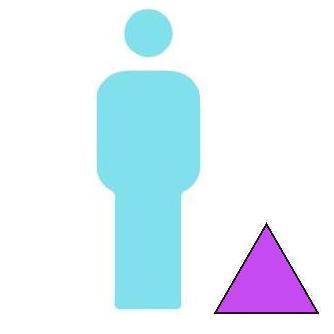
To say "you" , we use 你 (nǐ). And for "he/she" , it's 他 (tā).
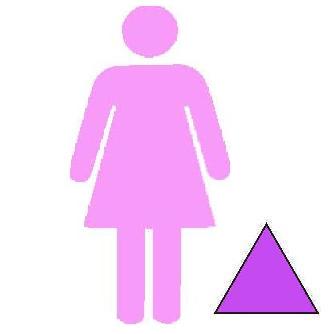
Note that the pronunciation of 他 is the same for "he" and "she," but the character differs. For the feminine form, we add the female radical 女 to the left, resulting in 她 (tā). This is a peculiarity of Chinese writing that can aid memorization.
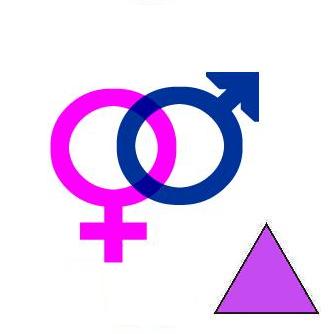
The pronoun "it" can also refer to an object; in this case, we write 它 (tā).
Now, to form the plural, we add the suffix 们 (men). Thus, "we" becomes 我们 (wǒmen), "you" becomes 你们 (nǐmen), and "they" becomes 他们 (tāmen) or 她们 (tāmen).
In a Chinese sentence, the word order is generally subject + verb + object.
For example, to say "I eat an apple," we would say "我吃苹果 (wǒ chī píngguǒ)."
Here is a summary table of personal pronouns in Mandarin:
 |
 |
||
| 单数 | 复数 | ||
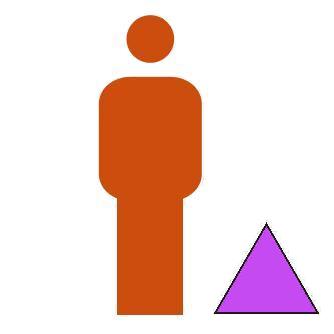 |
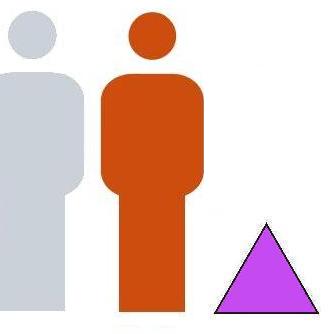 |
||
| 我 | 我们 | ||
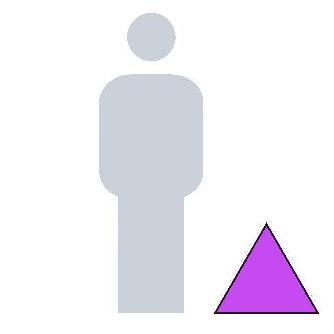 |
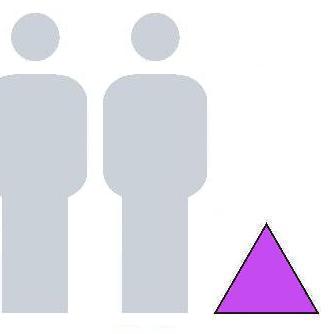 |
||
| 你 | 你们 | ||
 |
 |
 |
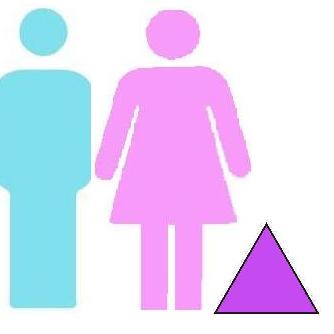 |
| 他 | 她 | 它 | 他们 她们 |
There are two verbs for - To speak - in Mandarin: 说 and 讲, 讲 is used a little more in southern China.
Forming a negative sentence with 不
不 (bù) is generally placed directly before the verb to negate present and future actions.
Asking a question with 吗
In Mandarin Chinese, the particle 吗 (ma) is used to create closed questions that allow the speaker to answer with "yes" or "no." It is placed at the end of the sentence.
In the table, click on the words or images to hear the pronunciation.
The first two sentences translate to "I speak Chinese" using the verbs 讲 and 说.
The third sentence is "I don't speak Chinese."
The fourth is a question: "Don't you speak Chinese?"
|
 |
 |
||
| 我 | 讲 | 中国话 | ||
|
|
|
||
| 我 | 说 | 中国话 | ||
|
 |
|
|
|
| 我 | 不 | 讲 | 中国话 | |
|
|
|
|
 |
| 你 | 不 | 讲 | 中国话 | 吗 |
In this exercise, you can click on the word or its image to hear its pronunciation.