Russian adjectives
In the Russian language, the ends of adjectives change to agree in gender and number with the noun it describes. The default form of an adjective is its nominative, masculine, singular form, and this is the form given in dictionaries.
 |
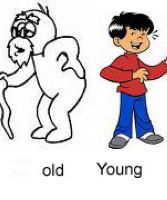 |
| старый | молодой |
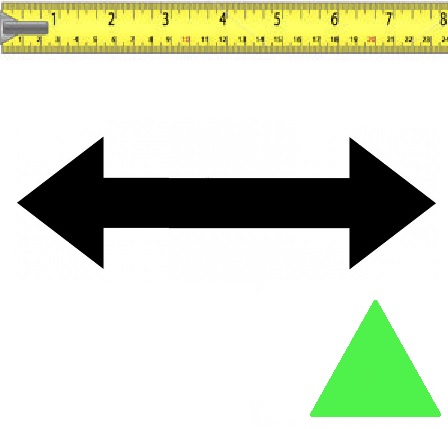 |
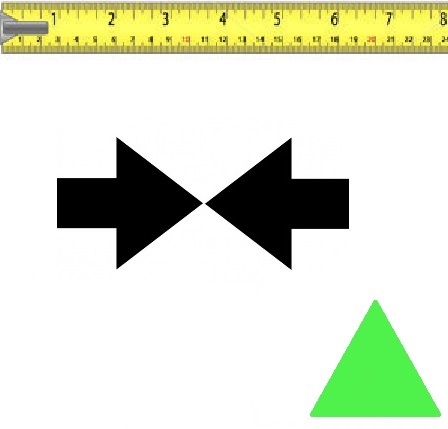 |
| большой | маленький |
 |
 |
| красивый | некрасивый |
 |
 |
| хороший | плохой |
 |
 |
| вкусный | новый |
To use adjectives with feminine and neutral nouns, you have to change their endings, the last two letters. - masculine endings: ый, ий - female terminations: ая, яя - neutral endings: ое, ее - plural ending: ые, ие - - -Remember! You cannot write the letter ы after г, к, х, ж, ч, ш or щ. That is why adjectives with stems ending in any of those letters have the ending ий instead of ый (or ие instead of ые in plural).
 |
 |
 |
 |
| мужской род | женский род | средний род | Множественное число |
| красивый | красивая | красивое | красивые |
| маленький | маленькая | маленькое | маленькие |
| новый | новая | новое | новые |
| старый | старая | старое | старые |
For the neutral when stems ending with the letters ж, ш, щ, ч and ц. You must write "о" if it is stressed else write" e"
|
|
|
|
| мужской род | женский род | средний род | Множественное число |
| большой | большая | большое | большие |
| хороший | хорошая | хорошее | хорошие |